
With subtropical weather dynamics making summer heatwaves increasingly severe across Florida, preparing your automobile for seasonal shifts is a vital safety precaution. Elevated regional temperatures and intense humidity can rapidly degrade mechanical components, evaporate critical fluids, and put intense strain on vehicle systems operating under harsh atmospheric conditions. Disregarding necessary summer preparations substantially increases the likelihood of unforeseen roadside emergencies, equipment failure, and dangerous tire damage on heat-soaked coastal highways. Defending your automobile against these environmental challenges requires a deliberate, proactive approach.
Combating Extreme Heat and Heat Damage Protection
- Battery Check: High summer temperatures accelerate the degradation of internal battery components and increase fluid loss. Secure an expert diagnostic evaluation to guarantee maximum cranking capability and prevent unexpected roadside failures.
- Belts and Hoses: Intense seasonal warmth can cause rubber components, including drive belts and radiator hoses, to become brittle, split, or lose tension, leading to sudden alternator or cooling system failure.
- Air Conditioning Check: Inspect the vehicle's air conditioning system early to identify potential refrigerant leaks or reduced cooling efficiency, allowing you to bypass peak service queues during the height of summer.
- Thermal Shielding: Cabin interiors frequently reach or exceed normal operational comfort thresholds on milder afternoons. Utilizing high-quality sunshades protects sophisticated dashboard instrumentation and fine interior upholstery from damaging ultraviolet radiation.
Tire Safety and Summer Performance Metrics
- Cold Inflation Calibration: Always verify your tire pressure using an accurate instrument while the tires are "cold," meaning the vehicle has remained stationary for 3 hours or more, or traveled less than 1 mile.
- PSI Adherence: Consistently maintain the specific inflation level prescribed by the manufacturer on the driver-side door jamb placard or owner's manual, rather than utilizing the maximum rating stamped on the tire.
- Structural Inspections: Regularly inspect your tires for visual signs of heat stress, including cracks in the sidewall, distorted tread wear patterns, embedded objects, or dangerous air bubbles.
- Load and Tire Alignment: High-speed driving and carrying excessive weight compound the stress experienced by tires on hot pavement. Professional wheel alignment services help ensure uniform tread wear and maximize road safety.
Maximizing Fluid Health and Cooling System Integrity
- Cooling System Optimization: Confirm the proper operation of your water pump, radiator, and thermostat assembly. Always utilize high-grade engine coolant with a high boiling threshold to mitigate overheating risks.
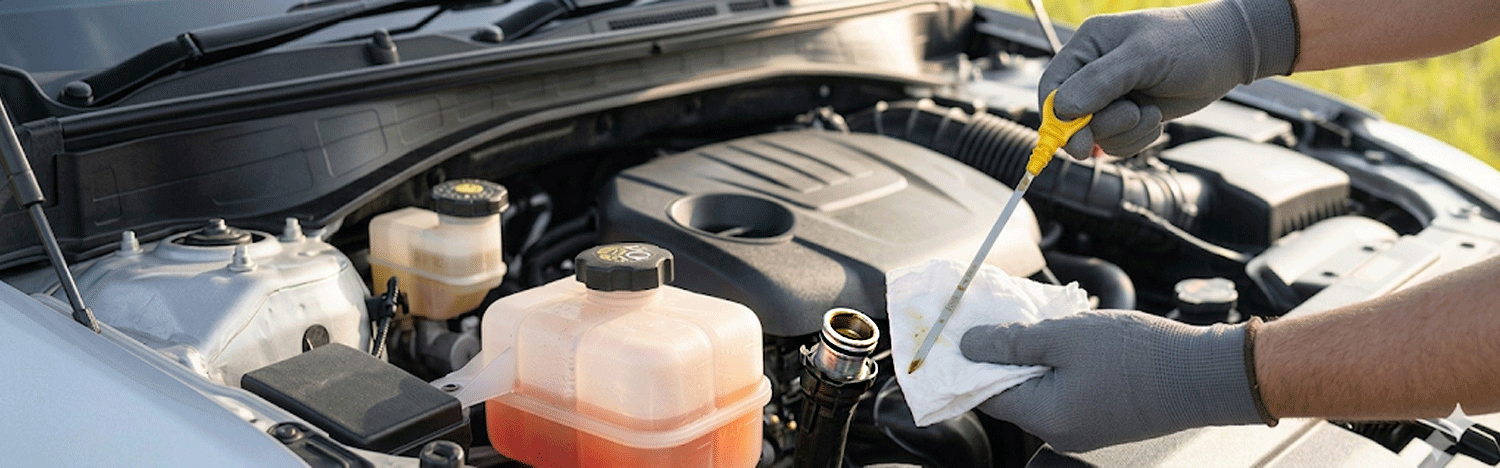
- Fluid Level Audits: Regularly audit essential under-hood fluids—including motor oil, transmission fluid, and brake fluid—to verify they are clean, uncompromised, and filled to precise manufacturer standards.
- Visibility Refresh: Exchange weathered wiper blades for new ones to maintain optical clarity during torrential summer rainstorms, and ensure your windshield washer fluid reservoir is topped off.
- Rust Prevention: Give your vehicle's underbody a meticulous cleaning to wash away residual road salt, sand, and winter grime. Repair small paint chips immediately to prevent high humidity and heat from accelerating rust formation.
Schedule Your Seasonal Service
Prevent extreme summer conditions from interrupting your travel plans. Schedule a comprehensive vehicle inspection at the Seminole Chevrolet Service Center today. Beat the mid-summer service rush and ensure your automobile is fully prepared for the demanding conditions ahead. Please reach out to us today to learn more.
